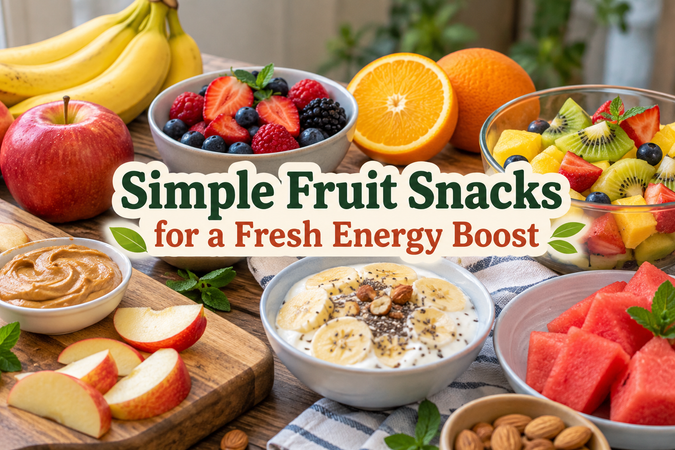
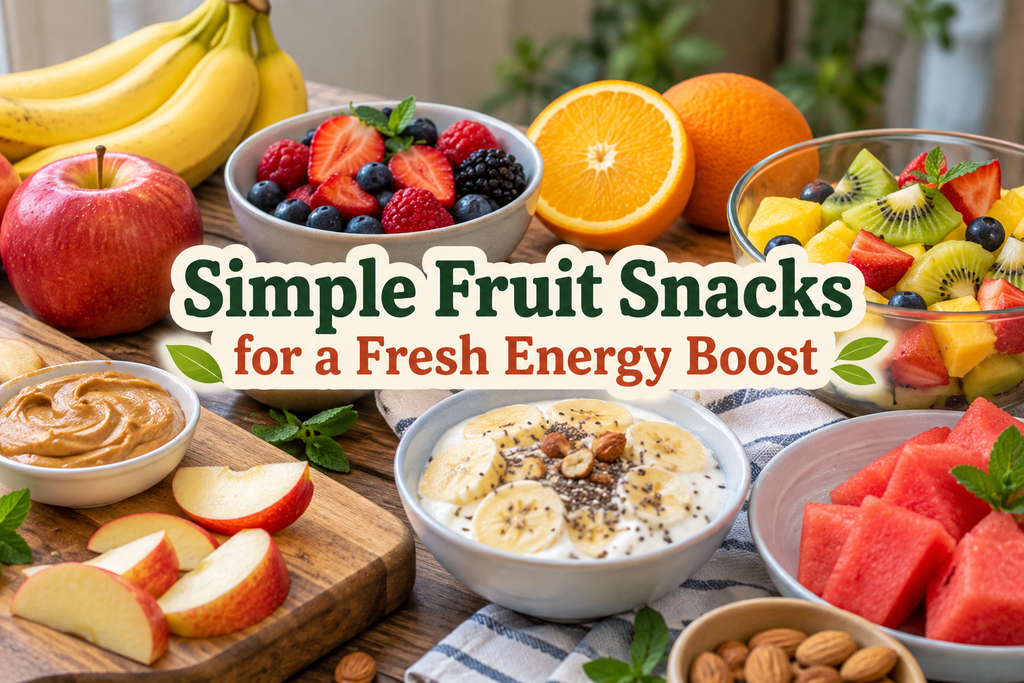
Finding the right snack during a busy day can make a noticeable difference in how energetic and focused we feel. Many people automatically reach for packaged biscuits, chips, sweets, or sugary drinks when hunger appears between meals. These foods may provide quick satisfaction, but the feeling often does not last very long. Fresh fruit offers a simpler and more refreshing alternative.
Simple fruit snacks are naturally colorful, flavorful, and easy to prepare. They can be enjoyed at home, at work, during study sessions, or while traveling. Fruit also provides important nutrients such as vitamins, minerals, fiber, natural carbohydrates, and water.
One of the best things about fruit snacks is their flexibility. You do not need complicated recipes or expensive ingredients. A banana, a bowl of berries, sliced apples, or a few orange segments can become a satisfying snack within minutes.
By learning a few easy combinations, it becomes much easier to include fruit in everyday eating.
Why Fruit Makes a Refreshing Snack
Fruit contains naturally occurring carbohydrates that provide the body with energy. This makes fruit a practical choice when you need something light between regular meals.
Many fruits also contain a significant amount of water. Watermelon, oranges, strawberries, grapes, and melon are good examples. Their refreshing texture can be especially enjoyable during warm weather or after physical activity.
Another advantage is fiber. Fiber supports normal digestion and can make a snack feel more satisfying.
Fresh fruit also provides a wide variety of vitamins and plant nutrients. Different colors usually represent different natural compounds, which is one reason eating several types of fruit can add variety to a balanced diet.
Instead of thinking about fruit only as part of breakfast or dessert, it can be useful to see it as an everyday snack option.
Apple Slices With Peanut Butter
Apple slices with peanut butter are one of the simplest fruit snacks for a fresh energy boost.
Wash an apple and cut it into thin slices. Add a small amount of peanut butter to each slice or serve it in a small bowl for dipping.
The apple provides natural sweetness, water, and fiber, while peanut butter adds protein and fat. The combination creates a snack that is more satisfying than fruit alone.
Red apples offer a naturally sweet taste, while green varieties provide a sharper flavor. Both work well.
Choose peanut butter with simple ingredients when possible. A small serving is usually enough because peanut butter has a rich flavor.
This snack can work well in the afternoon when you want something sweet without reaching for candy or pastries.
Banana With Yogurt
Bananas are convenient because they require almost no preparation. They are naturally sweet and soft, making them easy to combine with other foods.
Slice one banana into a bowl and add plain or lightly sweetened yogurt.
Yogurt gives the snack a creamy texture and provides protein, while the banana contributes natural carbohydrates and potassium.
For extra flavor, sprinkle a small amount of cinnamon on top. You can also add a few chopped nuts if you want more crunch.
Banana and yogurt can be especially useful as a quick morning snack or something light before an active part of the day.
Fresh Berry Bowl
Berries are small but full of flavor. Strawberries, blueberries, raspberries, and blackberries can all be used to create a colorful fruit snack.
Wash the berries carefully and place a mixture in a small bowl.
A fresh berry bowl requires almost no preparation, yet it looks attractive and tastes refreshing. Berries also provide fiber, vitamin C, and naturally occurring plant compounds.
If fresh berries are expensive or unavailable, you can use whatever variety is in season.
Adding a spoonful of yogurt can make the snack more filling. Chopped nuts or seeds can also add texture.
Keeping the recipe simple allows the natural taste of the berries to remain the main feature.
Orange Segments With Nuts
Oranges are naturally refreshing and easy to enjoy as a snack.
Peel an orange and separate it into segments. Serve it with a small handful of almonds, walnuts, pistachios, or another preferred nut.
The juicy orange provides natural sweetness and vitamin C, while the nuts add protein, healthy fats, and crunch.
This combination can be particularly useful when you want a snack that feels light but still provides some staying power.
You can prepare the orange before leaving home and place the segments in a reusable container.
Grapes With Cheese
Sweet grapes and mild cheese create an enjoyable combination of flavors.
Wash a small bunch of grapes and serve them with a few cubes or slices of cheese.
Grapes provide natural carbohydrates and water, while cheese contributes protein and fat. Combining these foods can create a more balanced snack than eating a large bowl of grapes by itself.
Red, green, and dark grapes can all be used.
For convenience, prepare small portions in advance and store them in the refrigerator. This can make healthy snack choices easier during busy days.
Watermelon Cubes for Hot Days
Few fruits feel as refreshing as watermelon during warm weather.
Cut watermelon into small cubes and chill them in the refrigerator before serving. Cold watermelon can make a simple and enjoyable afternoon snack.
Because watermelon contains a high amount of water, it can contribute to daily hydration while providing natural sweetness.
You can enjoy it by itself or combine it with other melon varieties to create a colorful bowl.
There is usually no need to add sugar or syrup because ripe watermelon already has plenty of natural flavor.
Pear Slices With Almonds
Pears have a soft sweetness and pleasant texture that makes them excellent for simple fruit snacks.
Slice a ripe pear and serve it with a small handful of almonds.
The pear contributes fiber and natural carbohydrates, while the almonds provide protein and fats.
This is a good example of how combining fruit with another nutrient rich food can create a snack that feels more complete.
If you are packing sliced pears for later, a small amount of lemon juice can help reduce browning.
Mango and Yogurt Bowl
Ripe mango has a naturally rich and sweet flavor, so it can easily replace many heavily sweetened desserts.
Cut fresh mango into cubes and place them in a bowl with plain yogurt.
The combination creates a smooth, creamy snack with natural sweetness.
You can sprinkle chia seeds or crushed nuts on top if desired.
Because mango is naturally flavorful, additional sugar is usually unnecessary.
During mango season, this is an excellent way to enjoy fresh produce while creating a satisfying snack.
Kiwi and Strawberry Cup
Kiwi and strawberries create a colorful combination with both sweet and slightly tart flavors.
Peel and slice one kiwi, then combine it with sliced strawberries in a small cup or bowl.
The bright colors make this snack visually appealing, which can be especially helpful when encouraging children to eat more fruit.
Both fruits provide vitamin C and fiber.
You can prepare the mixture shortly before serving so the fruit remains fresh and firm.
Homemade Fruit Salad
A simple fruit salad is one of the easiest ways to enjoy several fruits at the same time.
Choose three or four seasonal fruits. Apples, bananas, oranges, grapes, melon, mango, berries, and pears are all useful choices.
Wash and chop the fruit into bite sized pieces and gently mix everything together.
There is no need to use heavy cream, sugary sauces, or sweet syrups. Fresh fruit already provides plenty of flavor.
A little fresh lemon or lime juice can add brightness and help some fruits maintain their appearance.
Preparing a small fruit salad in advance can make snack time much easier.
Frozen Grapes
Frozen grapes are an incredibly simple snack, especially during hot weather.
Wash seedless grapes thoroughly, dry them, and place them in the freezer for several hours.
Once frozen, they develop a firm and refreshing texture. Their natural sweetness becomes especially enjoyable when served cold.
Frozen grapes can be used as an alternative to heavily sweetened frozen treats.
For young children, grapes should be prepared in an age appropriate way to reduce choking risk.
Banana and Strawberry Smoothie
A basic smoothie can also work as a fruit snack.
Combine one banana, several strawberries, and milk or plain yogurt in a blender. Blend until smooth.
There is usually no need to add sugar because ripe bananas and strawberries provide natural sweetness.
Smoothies are convenient when you want something quick, but it is still useful to keep portions reasonable.
Adding excessive syrups, sweetened powders, or large amounts of juice can quickly turn a simple fruit snack into a much sweeter drink.
Keeping the recipe basic allows the fruit to remain the main ingredient.
Apple and Cinnamon Yogurt Bowl
Apple and cinnamon create a familiar flavor combination that works well for snack time.
Cut an apple into small pieces and mix it with plain yogurt. Sprinkle a small amount of cinnamon over the top.
If you prefer more texture, add a spoonful of oats or a few crushed walnuts.
This snack feels slightly more substantial than plain fruit and can be useful during long work or study sessions.
It also provides a naturally sweet taste without requiring large amounts of added sugar.
Pineapple With Coconut
Fresh pineapple has a bright flavor that pairs well with unsweetened coconut.
Cut pineapple into small pieces and sprinkle a little shredded coconut over the top.
The combination has a naturally tropical taste and works particularly well when chilled.
Choose unsweetened coconut when possible so that the natural sweetness of the pineapple remains the main flavor.
A small serving can create a refreshing snack or light dessert.
Peach With Cottage Cheese
Ripe peaches can be combined with cottage cheese for a quick snack.
Slice a fresh peach and serve it alongside a small portion of cottage cheese.
The peach provides natural sweetness and freshness, while cottage cheese contributes protein.
During peach season, this combination is simple, flavorful, and requires almost no cooking.
Other soft fruits such as pears or berries can also be served this way.
Choose Seasonal Fruits When Possible
Seasonal fruit is often more flavorful because it is harvested closer to its natural growing period.
Buying seasonal produce can also help reduce food costs.
During summer, you may find watermelon, peaches, mangoes, berries, and melons readily available. Cooler seasons may offer apples, pears, oranges, and other citrus fruits.
Seasonal availability varies by region, so local markets can be helpful when choosing fresh produce.
Instead of depending on the same fruits throughout the year, changing your snacks with the seasons keeps everyday eating interesting.
Prepare Fruit Snacks in Advance
Convenience strongly influences food choices.
When fruit requires washing, peeling, and chopping while packaged snacks are ready to eat, it can be tempting to choose the packaged option.
Preparing fruit in advance solves much of this problem.
Wash appropriate fruits, portion grapes or berries into containers, and keep ready to eat options visible in the refrigerator.
Whole fruits such as apples, oranges, bananas, and pears can be placed somewhere easy to see.
When healthy foods are convenient, choosing them becomes much easier.
Combine Fruit With Protein
Fruit makes a refreshing snack on its own, but combining it with protein can make it more satisfying.
Useful combinations include fruit with yogurt, nuts, seeds, cottage cheese, peanut butter, or cheese.
For example, a banana alone may work well for a light snack. When greater staying power is needed, adding yogurt or a small amount of peanut butter can create a more balanced option.
There is no single perfect combination. The right snack depends on your hunger level, daily routine, and personal preferences.
Keep Portions Practical
Fruit is nutritious, but more is not always necessary.
A snack should usually help manage hunger between meals rather than replace every main meal.
One piece of fruit, a small bowl of berries, or a modest fruit salad may be enough for many people.
Adding a small amount of nuts, yogurt, or another protein source can make the snack more satisfying without requiring a very large portion.
Paying attention to hunger and fullness can help guide portion choices.
Make Fruit Snacks More Appealing
Presentation can influence how enjoyable food feels.
Instead of placing several whole fruits on a plate, try cutting them into colorful bite sized pieces. Combine fruits with different colors and textures.
Red strawberries, green kiwi, orange mango, dark blueberries, and pale banana slices can create an attractive snack bowl.
For children, arranging fruit into simple shapes can make snack time more interesting.
Adults can also benefit from attractive presentation. A colorful bowl often feels more inviting than eating directly from a package or container.
Final Thoughts
Simple fruit snacks for a fresh energy boost do not require complicated recipes, expensive ingredients, or hours of preparation. Fresh fruit can provide natural sweetness, hydration, fiber, vitamins, and convenient carbohydrates in a form that is easy to enjoy throughout the day.
Apple slices with peanut butter, banana with yogurt, berries, oranges with nuts, grapes with cheese, watermelon cubes, mango bowls, homemade fruit salad, and simple smoothies are only a few possibilities.
The key is to keep fruit visible, fresh, and easy to reach. Preparing a few options ahead of time can reduce the temptation to depend on highly processed snacks when hunger appears.
It is also helpful to experiment with seasonal produce and different combinations. Pairing fruit with yogurt, nuts, seeds, cheese, or nut butter can add variety and make a snack more satisfying.
Healthy eating does not always require major changes. Sometimes a simple bowl of fresh fruit is enough to make snack time brighter, fresher, and more nourishing.