
Lunch is an important meal because it gives the body energy to continue through the second half of the day. A balanced lunch can help you stay active, focused, and satisfied until your next meal. However, many people struggle to prepare healthy lunches because they are busy with work, school, family responsibilities, or daily routines.
The good news is that eating a balanced lunch does not have to be complicated. You do not need expensive ingredients or difficult recipes. With a few simple foods and basic planning, you can prepare satisfying meals that provide protein, carbohydrates, healthy fats, vegetables, and other important nutrients.
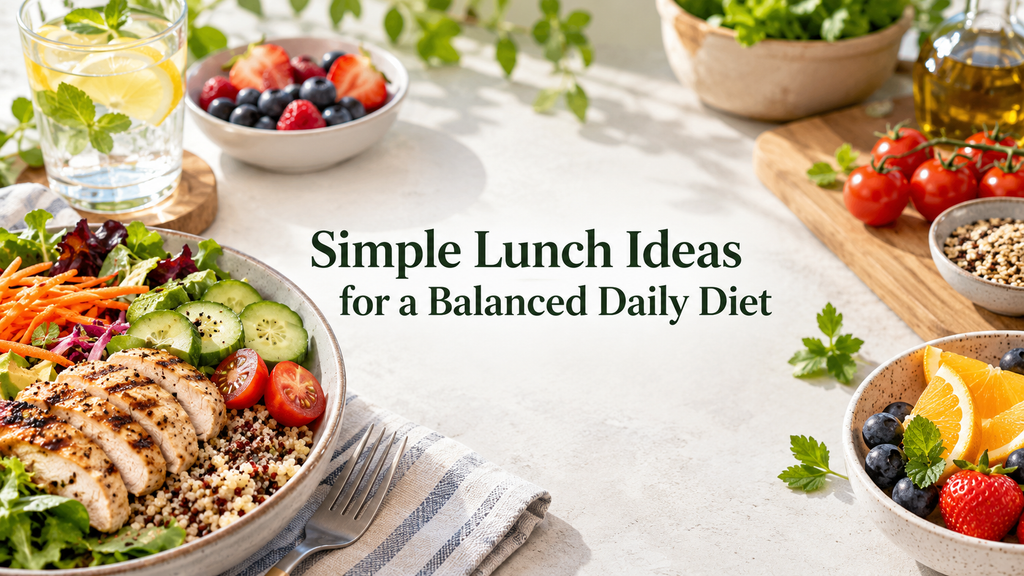
Simple lunch ideas for a balanced daily diet can make healthy eating easier and more practical. The goal is not to create a perfect meal every day. Instead, it is helpful to include a variety of nutritious foods that support your daily energy needs.
What Makes a Lunch Balanced?
A balanced lunch normally contains several different food groups. Each food group provides nutrients that serve a different purpose in the body.
Protein can help make a meal more satisfying. Common protein choices include eggs, chicken, fish, beans, lentils, yogurt, cottage cheese, and tofu.
Carbohydrates provide energy. Whole grains, rice, potatoes, oats, bread, pasta, and other grain foods can be useful sources of carbohydrates.
Vegetables and fruits provide vitamins, minerals, fiber, and natural flavor. They also add different colors and textures to meals.
Healthy fats can come from foods such as nuts, seeds, avocado, olive oil, and certain types of fish.
You do not need to measure every ingredient. A simple combination of these food groups can help create a balanced daily lunch.
Chicken and Vegetable Rice Bowl
A chicken and vegetable rice bowl is one of the easiest lunch ideas for busy days. It is filling, simple to prepare, and easy to customize.
Start with cooked rice and add grilled or cooked chicken. Include vegetables such as carrots, peas, bell peppers, spinach, broccoli, or cucumber.
You can add a small amount of olive oil, yogurt sauce, lemon juice, or herbs for extra flavor.
Brown rice can provide additional fiber, but regular rice can also be part of a balanced meal. The important thing is to combine the rice with protein and vegetables instead of eating a large portion of rice alone.
This meal is especially convenient because the ingredients can be prepared ahead of time.
Egg and Vegetable Sandwich
An egg sandwich can become a nutritious lunch when it is combined with fresh vegetables.
Use whole grain bread if available and fill it with boiled or scrambled eggs. Add tomato slices, cucumber, lettuce, spinach, or onions.
A small amount of yogurt based spread, cheese, or avocado can add moisture and flavor.
Serve the sandwich with a piece of fruit or a small vegetable salad.
This simple lunch provides protein from the eggs, carbohydrates from the bread, and vitamins and fiber from the vegetables and fruit.
It is also easy to pack for work or school.
Lentil Soup With Bread and Salad
Lentils are affordable, versatile, and easy to include in a balanced daily diet.
A bowl of lentil soup can make a warm and comforting lunch. Lentils contain plant based protein and fiber, which can help make the meal satisfying.
Prepare the soup with lentils, onions, tomatoes, carrots, garlic, and your favorite spices. You can also add spinach or other vegetables.
Serve the soup with whole grain bread and a fresh salad.
The combination creates a simple meal that includes protein, vegetables, carbohydrates, and fiber.
Lentil soup can also be prepared in a large batch and stored for future lunches.
Tuna and Vegetable Wrap
A tuna wrap can be prepared quickly when you need a convenient lunch.
Mix tuna with a little plain yogurt, lemon juice, black pepper, or herbs. Place the mixture inside a whole grain wrap and add lettuce, tomato, cucumber, carrots, or bell peppers.
You can also include avocado for additional flavor and healthy fats.
Roll everything together and serve it with fresh fruit.
A wrap is useful because it is portable and does not require much preparation. It is especially suitable for people who need to carry lunch to work, college, or another location.
Chickpea Salad Bowl
Chickpeas are another useful source of plant based protein.
A simple chickpea salad can be made by combining cooked chickpeas with cucumber, tomatoes, onions, carrots, and leafy greens.
Add lemon juice, olive oil, herbs, and a small amount of seasoning.
You can serve the salad with whole grain bread, rice, or a small baked potato.
Chickpea salad is colorful, refreshing, and easy to prepare. It can also be made in advance and stored in the refrigerator.
Adding different vegetables helps improve variety and makes the meal more interesting.
Grilled Chicken Salad
Salads do not have to be small or unsatisfying. When protein and other nutritious ingredients are included, a salad can become a complete lunch.
Start with leafy greens and add grilled chicken. Include tomatoes, cucumbers, carrots, cabbage, bell peppers, or other vegetables you enjoy.
You can also add beans, seeds, a small amount of cheese, or avocado.
Use olive oil and lemon juice as a simple dressing.
If you need more energy from your meal, serve the salad with bread, rice, potatoes, or another carbohydrate source.
This combination can provide a good balance of protein, vegetables, carbohydrates, and healthy fats.
Vegetable and Bean Pasta
Pasta can be part of a balanced daily diet when it is combined with nutritious ingredients.
Cook pasta and mix it with beans, tomatoes, spinach, mushrooms, bell peppers, peas, or broccoli.
Add garlic, herbs, tomato sauce, or a small amount of olive oil for flavor.
Beans add protein and fiber, while vegetables increase the variety of nutrients in the meal.
Whole grain pasta can provide additional fiber, but regular pasta can also be enjoyed as part of a balanced meal.
Keep the meal colorful by adding several different vegetables.
Baked Potato With Healthy Toppings
A baked potato is inexpensive and can be turned into a satisfying lunch.
After baking the potato, add toppings such as beans, yogurt, vegetables, shredded chicken, tuna, or a small amount of cheese.
Serve it with a fresh side salad.
Potatoes naturally provide carbohydrates and several nutrients. Adding protein and vegetables makes the meal more balanced.
Sweet potatoes are another option. They work well with beans, chicken, yogurt, and different vegetables.
This lunch is especially useful when you have leftover ingredients that need to be used.
Yogurt Bowl With Fruit and Nuts
Some people prefer a lighter lunch, especially during warm weather or busy days.
A yogurt bowl can be a simple option. Start with plain yogurt and add fruits such as bananas, apples, berries, peaches, or oranges.
Add oats, nuts, or seeds for extra texture and nutrition.
You can also include a small amount of cinnamon for flavor.
If the yogurt bowl does not feel filling enough, eat it with a boiled egg, whole grain toast, or another small source of protein and carbohydrates.
This type of meal requires very little cooking and can be prepared within minutes.
Vegetable Omelet With Toast
An omelet is not only suitable for breakfast. It can also make an excellent lunch.
Beat a few eggs and cook them with vegetables such as spinach, tomatoes, mushrooms, onions, or bell peppers.
Serve the omelet with whole grain toast and fresh fruit.
A small salad can also be added if you want more vegetables.
This meal is simple, affordable, and quick to prepare. Eggs provide protein while the vegetables add flavor, color, and nutrients.
Changing the vegetables each time can prevent the meal from becoming boring.
Rice and Bean Bowl
Rice and beans are simple ingredients that work well together.
Place cooked rice in a bowl and add beans such as black beans, kidney beans, or chickpeas. Add tomatoes, corn, lettuce, cucumber, or other vegetables.
Finish the bowl with avocado, yogurt, lemon juice, or fresh herbs.
This meal is easy to adjust according to the ingredients you already have at home.
It is also suitable for people who want more plant based lunch ideas.
Leftover Vegetable Lunch Bowl
Using leftovers is one of the easiest ways to create a quick lunch while reducing food waste.
If you have cooked vegetables from dinner, place them in a bowl with rice, pasta, potatoes, or another grain. Add leftover chicken, beans, eggs, lentils, or fish for protein.
You can refresh the meal with fresh vegetables, herbs, lemon juice, or yogurt sauce.
There is no need to prepare something completely new every day. Turning leftovers into a balanced lunch saves time and can help reduce unnecessary food waste.
Add Fruits and Vegetables Whenever Possible
One simple way to improve everyday lunches is to include more fruits and vegetables.
You do not always need complicated salads. A sliced cucumber, a tomato, carrot sticks, an apple, an orange, or a banana can easily be added to a meal.
Try using different colors throughout the week. Green vegetables, red tomatoes, orange carrots, purple cabbage, and colorful fruits all provide different nutrients.
Variety can also make meals look more appealing.
Keeping washed fruits and vegetables available at home can make healthy lunch preparation much easier.
Choose Drinks Carefully
Drinks can be easy to overlook when planning lunch.
Water is one of the simplest choices for everyday hydration. You can also add lemon, cucumber, or mint to water if you prefer more flavor.
Milk can be another option depending on your dietary preferences.
Sugary drinks may add a large amount of sugar without making the meal more satisfying. They do not necessarily have to be avoided forever, but water can be a better everyday choice for many meals.
Staying properly hydrated can also support concentration and normal daily activity.
Plan Lunches Ahead of Time
Healthy eating often becomes difficult when there is no food prepared and you are already hungry.
A little planning can make a big difference.
Cook ingredients such as rice, chicken, beans, lentils, or vegetables ahead of time. Store them properly so they can be combined into different meals.
You can also wash vegetables, boil eggs, or prepare simple sauces in advance.
The same ingredients can create several lunches. For example, grilled chicken can be used in a sandwich one day, a rice bowl the next day, and a salad later in the week.
This approach saves both time and effort.
Keep Lunch Simple
A balanced diet does not require complicated recipes.
Some of the most practical lunches are made from basic foods such as eggs, vegetables, rice, beans, chicken, fruit, yogurt, bread, and potatoes.
Focus on combining foods rather than trying to prepare perfect meals.
For example, bread with eggs and vegetables is much more balanced than bread alone. Rice with chicken and vegetables offers more nutritional variety than a large bowl of plain rice.
Small changes can improve the overall quality of a meal without making lunch preparation difficult.
Listen to Your Hunger
Portion needs can be different from one person to another.
Activity level, age, body size, daily schedule, and personal needs can all influence how much food feels satisfying.
Instead of following extremely strict portion rules, pay attention to your hunger and fullness signals.
A balanced lunch should usually leave you comfortably satisfied rather than extremely hungry or overly full.
People with specific dietary or medical requirements may need individualized advice from a qualified health professional.
Conclusion
Simple lunch ideas for a balanced daily diet can make healthy eating easier even during busy days. A good lunch does not need expensive ingredients or complicated recipes. Basic foods such as vegetables, fruits, eggs, chicken, fish, lentils, beans, rice, bread, yogurt, and potatoes can be combined in many different ways.
Chicken rice bowls, vegetable sandwiches, lentil soup, tuna wraps, chickpea salads, omelets, baked potatoes, pasta dishes, and leftover lunch bowls are all practical choices.
The key is to aim for variety. Include a protein source, a useful source of carbohydrates, vegetables or fruit, and healthy fats when possible.
Planning a few ingredients in advance can also make lunch preparation faster and reduce the temptation to skip meals.
Most importantly, healthy eating should feel realistic and sustainable. Simple homemade lunches prepared with familiar ingredients can support a balanced daily diet while keeping meals enjoyable, convenient, and satisfying.