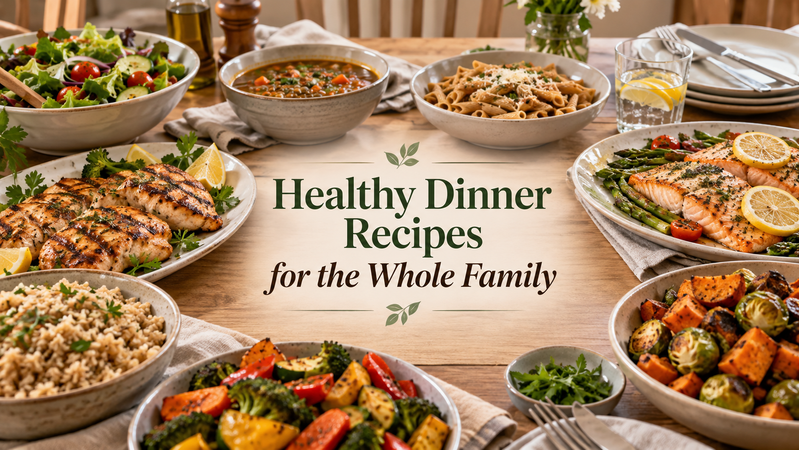
Preparing a healthy dinner for the whole family can sometimes feel difficult, especially when everyone has different tastes and busy schedules. Some family members may prefer simple foods, while others enjoy meals with more flavor and variety. Children may also be selective about vegetables and healthy ingredients. The good news is that healthy family dinners do not need to be complicated or expensive.
A balanced dinner can be made with everyday ingredients such as vegetables, whole grains, lean proteins, beans, eggs, chicken, fish, and fresh herbs. With a little planning, these foods can be turned into tasty meals that both adults and children can enjoy.
When I think about healthy dinner recipes for the whole family, I prefer meals that are filling, colorful, easy to prepare, and flexible enough to suit different preferences. A good family dinner should provide important nutrients while still feeling comforting and enjoyable.
What Makes a Healthy Family Dinner?
A healthy dinner usually contains several food groups. Vegetables provide vitamins, minerals, fiber, and natural color. Protein foods such as chicken, fish, beans, lentils, eggs, and tofu help make meals satisfying. Whole grains such as brown rice, oats, quinoa, and whole wheat pasta provide energy and fiber.
Healthy fats can also be included through foods such as olive oil, seeds, nuts, and avocado.
There is no need to make every dinner perfect. The goal is simply to create meals that include a variety of nourishing foods most of the time.
Cooking at home can also make it easier to control the amount of salt, sugar, and added fat in meals.
1. Vegetable and Chicken Rice Bowl
A chicken and vegetable rice bowl is one of my favorite healthy dinner recipes because it is simple and can be adjusted according to what is available at home.
Start by cooking brown rice or another grain of your choice. While the rice is cooking, cut chicken breast into small pieces and cook it in a pan with a small amount of olive oil.
Add vegetables such as carrots, bell peppers, broccoli, peas, or zucchini. Season the mixture with garlic, black pepper, herbs, and a small amount of salt.
Place the cooked rice in bowls and add the chicken and vegetables on top.
This meal provides protein, vegetables, and carbohydrates in one simple dish. You can also replace the chicken with beans or tofu for a vegetarian version.
2. Homemade Vegetable Pasta
Pasta is often popular with children, making it a useful option for family dinners. A healthier pasta meal can be created by adding plenty of vegetables.
Cook whole wheat pasta according to the package instructions.
For the sauce, cook chopped tomatoes with onions, garlic, carrots, bell peppers, zucchini, and spinach. Allow the vegetables to soften before mixing them with the pasta.
A small amount of grated cheese can be added before serving.
Using a tomato based vegetable sauce is an easy way to include more vegetables without making the meal feel too different from traditional pasta.
Serve the pasta with a simple green salad for an even more balanced dinner.
3. Baked Chicken With Roasted Vegetables
Baked chicken is an excellent choice when you want a healthy dinner that requires very little attention while cooking.
Place chicken pieces in a baking dish and season them with garlic, black pepper, paprika, lemon juice, and dried herbs.
Add chopped vegetables such as potatoes, carrots, cauliflower, bell peppers, onions, or zucchini around the chicken.
Drizzle a small amount of olive oil over everything and bake until the chicken is completely cooked and the vegetables are tender.
This dinner works particularly well for busy evenings because most of the preparation can be completed before the food goes into the oven.
4. Healthy Lentil and Vegetable Soup
Lentils are affordable, filling, and naturally rich in plant based protein and fiber. They are also easy to combine with many vegetables.
To prepare a simple lentil soup, cook chopped onion, garlic, carrots, celery, and tomatoes in a large pot.
Add rinsed lentils along with water or low sodium vegetable broth.
You can also include spinach, potatoes, peas, or other vegetables your family enjoys.
Season the soup with cumin, black pepper, paprika, and fresh herbs.
Allow everything to cook until the lentils and vegetables are soft.
Serve the soup with whole grain bread for a warm and comforting family dinner.
5. Chicken and Vegetable Wraps
Wraps are a great choice when family members enjoy building their own meals.
Cook strips of chicken with onions and bell peppers. Add simple seasonings such as garlic, black pepper, cumin, and paprika.
Place whole wheat wraps on the table along with the cooked chicken, lettuce, tomatoes, cucumber, grated carrots, and yogurt based sauce.
Everyone can create their own wrap using the ingredients they prefer.
This style of dinner can be particularly helpful for families with children because it gives them some choice while still offering healthy ingredients.
6. Easy Vegetable Omelet Dinner
Eggs are not only for breakfast. They can also be used to make an affordable and nutritious dinner.
Beat several eggs in a bowl and add chopped vegetables such as tomatoes, onions, spinach, mushrooms, and bell peppers.
Cook the mixture in a nonstick pan until the eggs are fully cooked.
A small amount of cheese can be added if desired.
Serve the vegetable omelet with whole grain toast and a fresh salad.
This meal can be prepared quickly, making it useful on evenings when there is little time available for cooking.

7. Healthy Homemade Chicken Burgers
Homemade burgers can be part of a balanced family dinner when they are prepared with simple ingredients.
Use lean minced chicken to prepare burger patties. Mix the chicken with chopped onion, garlic, herbs, and black pepper.
Cook the patties thoroughly in a pan or oven.
Serve them in whole grain buns with lettuce, tomato, cucumber, and other fresh vegetables.
Instead of serving deep fried potatoes, prepare oven roasted potato wedges or sweet potato slices.
Children can still enjoy the experience of eating a burger while the meal contains more nutritious ingredients.
8. Fish With Brown Rice and Vegetables
Fish can provide high quality protein and can be prepared in many simple ways.
Season fish fillets with lemon juice, garlic, black pepper, and herbs. Bake or cook them in a pan using a small amount of olive oil.
Serve the fish with brown rice and steamed vegetables such as broccoli, carrots, green beans, or peas.
If some family members are unfamiliar with fish, choosing a mild tasting variety and using familiar seasonings may make the meal more enjoyable.
9. Bean and Vegetable Tacos
Beans are useful for preparing affordable meat free family dinners.
Cook black beans, kidney beans, or another type of bean with tomatoes, onions, garlic, cumin, and mild spices.
Prepare chopped lettuce, tomatoes, cucumber, corn, and avocado separately.
Place everything on the table with soft whole wheat tortillas.
Family members can fill their tacos with the ingredients they enjoy.
You can add plain yogurt instead of heavier sauces for a creamy topping.
This colorful dinner provides fiber, plant based protein, and several vegetables.
10. One Pot Chicken and Vegetable Stew
One pot meals are especially useful when you want to reduce both cooking time and washing up.
Start by cooking pieces of chicken with chopped onions and garlic.
Add potatoes, carrots, tomatoes, peas, beans, or other vegetables.
Pour in water or low sodium chicken broth and season with herbs and spices.
Allow the stew to cook slowly until the chicken is thoroughly cooked and the vegetables are tender.
A homemade stew feels comforting and can often be prepared in a large batch.
Any leftovers can be stored properly and enjoyed for lunch the following day.
11. Vegetable Fried Brown Rice
Fried rice can become a healthier family dinner when it contains plenty of vegetables and only a small amount of oil.
Cook brown rice ahead of time if possible.
Heat a small amount of oil in a large pan and add chopped carrots, peas, bell peppers, onions, cabbage, or corn.
Add the cooked rice and stir everything together.
For extra protein, include scrambled eggs, cooked chicken, tofu, or beans.
Use herbs, garlic, and a moderate amount of reduced sodium soy sauce for flavor.
This is also a practical way to use small amounts of vegetables that are already in the refrigerator.
12. Healthy Homemade Pizza
Pizza night can still fit into a balanced family eating routine.
Prepare a whole wheat pizza base or use whole wheat flatbread as a quick alternative.
Spread tomato sauce over the base and add vegetables such as mushrooms, tomatoes, onions, spinach, bell peppers, and corn.
Add cooked chicken if your family prefers meat.
Finish with a moderate amount of cheese and bake until the crust is cooked and the cheese has melted.
Serving homemade pizza with a side salad can turn a popular comfort food into a more balanced meal.
Make Dinner More Colorful
One simple way to improve family dinners is to add more natural colors to the plate.
Different vegetables provide different nutrients, so including several colors can help increase variety.
For example, carrots provide orange color, spinach adds green, tomatoes provide red, cauliflower adds white, and purple cabbage can make salads more interesting.
Colorful food can also make meals more appealing to children.
Instead of forcing children to eat large portions of vegetables, offer small amounts regularly and allow them to become familiar with different foods.
Keep Healthy Family Dinners Simple
Healthy cooking does not require expensive ingredients or complicated recipes.
In many cases, the simplest meals are the easiest to prepare regularly.
A basic dinner of rice, vegetables, and grilled chicken can be nutritious. So can lentil soup with whole grain bread or an omelet with salad.
Keeping common ingredients available at home can make dinner preparation much easier.
Rice, pasta, eggs, canned beans, lentils, frozen vegetables, fresh vegetables, chicken, herbs, and basic spices can be combined in many different ways.
Plan Meals Before the Week Begins
Meal planning can save time and reduce the stress of deciding what to cook every evening.
Before shopping, think about several dinners you would like to prepare during the coming week.
Write down the ingredients you already have and create a shopping list for anything that is missing.
You do not need to plan every meal exactly. Even choosing four or five possible dinners can make the week easier.
Meal planning may also reduce food waste because ingredients can be purchased with specific meals in mind.
Encourage the Family to Eat Together
A healthy dinner is about more than the food on the plate. Eating together can create an opportunity for family members to slow down and enjoy conversation.
Whenever possible, try to make family meals relaxed.
Avoid putting too much pressure on children to finish everything on their plates. Instead, offer balanced options and allow them to listen to their natural hunger and fullness signals.
Children may also become more interested in healthy foods when they help with simple kitchen tasks such as washing vegetables, mixing ingredients, arranging salad, or setting the table.
Use Healthy Cooking Methods
The way food is prepared can make an important difference.
Baking, steaming, grilling, roasting, boiling, and lightly sautéing are useful cooking methods for everyday family meals.
Deep frying does not need to be completely avoided, but it can be kept for occasional meals rather than becoming the main cooking method.
Using herbs, garlic, lemon juice, ginger, pepper, paprika, cumin, and other spices can add plenty of flavor without depending heavily on salt or rich sauces.
Final Thoughts
Healthy dinner recipes for the whole family can be simple, affordable, and enjoyable. You do not need unusual ingredients or complicated cooking techniques to prepare nutritious meals at home.
Dishes such as vegetable pasta, baked chicken, lentil soup, homemade wraps, vegetable omelets, fish with rice, bean tacos, and one pot stews can provide plenty of variety throughout the week.
The most useful approach is to focus on balance. Include vegetables, a source of protein, healthy carbohydrates, and moderate amounts of healthy fats. Choose fresh and minimally processed foods whenever practical, but keep meals realistic for your family’s schedule and budget.
Healthy eating becomes easier when it feels like part of normal family life rather than a strict set of rules. By preparing simple meals, planning ahead, using colorful ingredients, and involving family members in the cooking process, dinner can become both nourishing and enjoyable.
A healthy family dinner does not have to look perfect. What matters most is serving a variety of wholesome foods and creating meals that everyone can enjoy together.