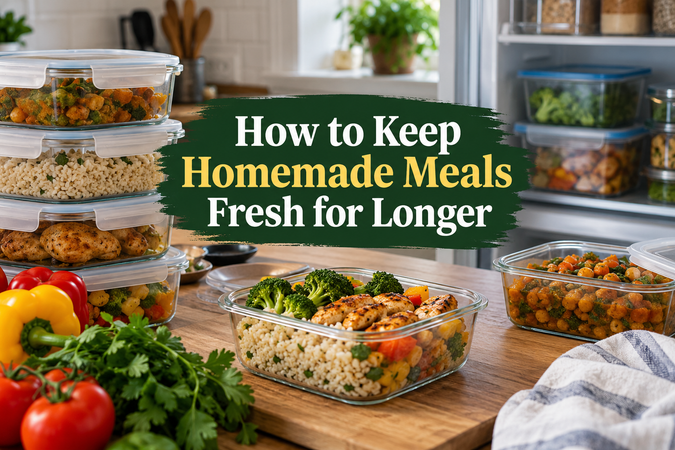
Homemade meals are one of the best ways to enjoy fresh, satisfying, and comforting food. Cooking at home also gives us better control over the ingredients we use and the way our food is prepared. However, preparing a good meal takes time and effort, so it can be disappointing when leftovers lose their freshness too quickly.
Learning how to keep homemade meals fresh for longer can make everyday cooking much easier. Proper storage can help protect flavor, texture, and quality while also reducing unnecessary food waste. It is especially useful for busy families, students, working people, and anyone who likes preparing meals in advance.
Keeping food fresh does not require complicated equipment. A few simple habits can make a noticeable difference. From cooling food properly to choosing suitable containers, every step matters.
Cool Cooked Food Properly
One of the first things to consider after cooking is how the meal will be cooled and stored. Cooked food should not be left sitting at room temperature for long periods.
When food is very hot, it is usually better to allow excess steam to escape for a short time before putting it into storage containers. Large quantities of food can be divided into smaller portions so they cool more efficiently.
Shallow containers are especially useful for foods such as rice, pasta, curries, vegetables, and cooked meat. They allow heat to escape more evenly than a very deep container filled to the top.
Once the food has cooled sufficiently, place it in the refrigerator promptly rather than leaving it on the kitchen counter for hours.
This simple habit helps homemade meals stay in better condition.
Use Clean Storage Containers
Clean containers are essential when storing homemade meals.
Even freshly cooked food can lose quality if it is placed inside a container that has not been cleaned properly. Before storing food, make sure the container is washed, completely clean, and suitable for food storage.
Glass and good quality food storage containers are convenient choices for many meals. Containers with secure lids help prevent outside air and odors from entering.
A tightly closed container can also help food retain moisture. This is particularly useful for cooked rice, pasta, roasted vegetables, stews, and other dishes that may become dry in the refrigerator.
Choose containers according to the amount of food you need to store. Using an oversized container for a small portion may leave too much empty space inside.
Store Meals in Small Portions
Dividing food into individual or family sized portions is one of the easiest ways to keep homemade meals fresh.
Instead of placing an entire batch of food in one large container, divide it according to how much you are likely to eat at one time.
This method has several advantages.
You only need to remove the portion you plan to use. The remaining food can stay covered and refrigerated. Portioning also makes meal preparation easier on busy days.
For example, if you prepare a large pot of soup, divide it into several containers. One portion can be eaten soon, while other portions can be refrigerated or frozen for another day.
This simple system can save time while protecting the quality of the meal.
Keep Your Refrigerator at a Suitable Temperature
A refrigerator plays an important role in maintaining food freshness, but it needs to stay sufficiently cold to work effectively.
Avoid leaving the refrigerator door open longer than necessary. Every time the door stays open, warm air enters and the temperature inside can rise.
It is also a good idea not to pack the refrigerator so tightly that cold air cannot move around the shelves.
Arrange containers neatly and leave enough space for air circulation.
Foods that need refrigeration should be returned to the refrigerator soon after serving rather than remaining on the dining table for a long time.
A well organized refrigerator also makes it easier to see which meals should be eaten first.
Label Stored Meals
When several homemade meals are stored in the refrigerator or freezer, it can become difficult to remember when each one was prepared.
Simple labels can solve this problem.
Write the name of the dish and the date it was prepared or stored on the container. You can use removable labels or small pieces of suitable tape.
For example, a container might be labeled:
Vegetable soup, October 16
This small habit makes meal planning easier and helps prevent forgotten containers from staying at the back of the refrigerator.
It also allows you to use older meals before newer ones.
Follow the First In First Out Method
The first in first out method is a simple kitchen organization habit.
It means using older stored food before newly prepared food.
When you place a fresh meal in the refrigerator, move older containers toward the front and place newer ones behind them.
That way, the food that should be eaten sooner stays visible.
This method is widely useful for refrigerated meals, frozen foods, vegetables, sauces, and pantry ingredients.
At home, it can significantly reduce forgotten leftovers and unnecessary waste.
Keep Different Foods Separate
Some foods maintain their texture better when they are stored separately.
For example, if you prepare a salad with dressing, storing the dressing separately can help the vegetables remain crisp.
Rice and curry can also be stored in separate containers if you prefer to control the texture when reheating.
Sauces, toppings, chopped herbs, and crunchy ingredients are often better added shortly before serving.
Imagine preparing a homemade rice bowl containing rice, cooked vegetables, sauce, and fresh cucumber. If everything is mixed together before refrigeration, the cucumber may become soft and the rice may absorb too much sauce.
Keeping the ingredients separate allows the meal to taste fresher when assembled later.
Freeze Meals You Will Not Eat Soon
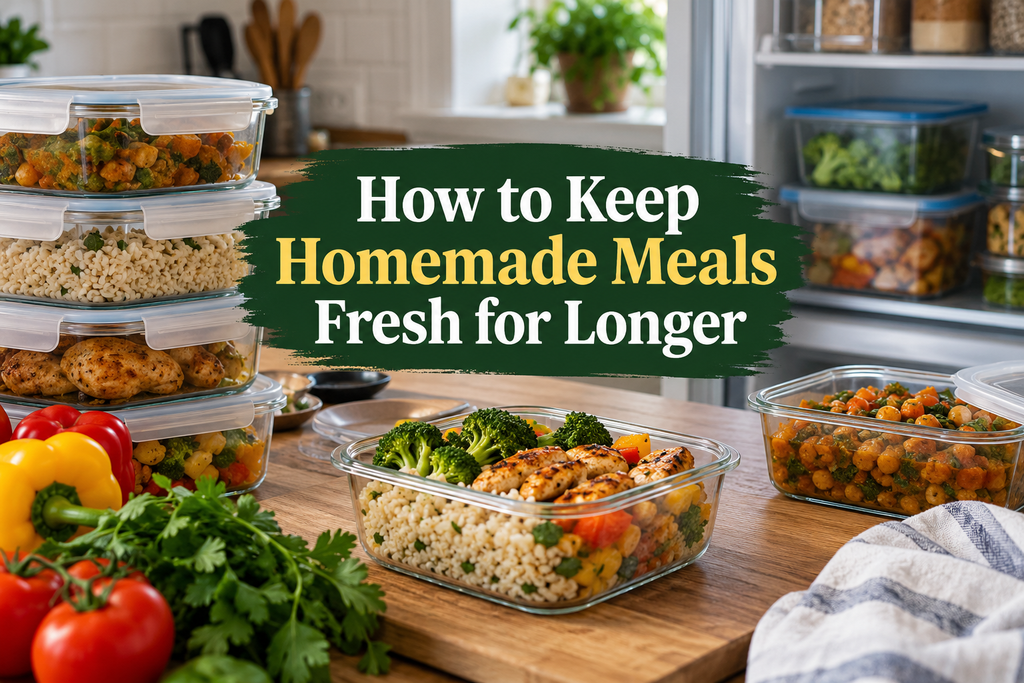
The freezer is extremely useful when you want to keep homemade meals for a longer period.
If you prepare more food than you expect to eat within the next few days, freezing part of it can be a practical choice.
Soups, stews, cooked beans, sauces, curries, and many cooked meals can often be frozen successfully.
Divide the meal into practical portions before freezing. Use freezer suitable containers and leave appropriate space when storing foods that may expand during freezing.
Label every container with its contents and storage date.
Freezing smaller portions also makes it easier to defrost only what you need.
This can be especially helpful for weekly meal preparation.
Protect Food From Excess Air
Air can affect the quality of stored food.
Foods may become dry, develop unwanted odors, or lose their original texture when they are not covered properly.
Always close container lids securely before placing meals in the refrigerator or freezer.
If you are storing food in a freezer bag, gently remove unnecessary air before sealing it.
Good packaging is particularly important when freezing food because exposure to cold dry air can gradually affect its texture.
A properly sealed container helps preserve moisture and flavor.
Store Fresh Ingredients Correctly
The freshness of a homemade meal also depends on the quality of the ingredients used to prepare it.
Fresh vegetables, herbs, dairy products, and other ingredients should be stored properly before cooking.
Vegetables should usually be kept dry and clean according to their individual storage needs. Fresh herbs may need slightly different storage methods depending on the type.
Avoid preparing more fresh ingredients than necessary if they lose quality quickly.
For example, chopping vegetables several days too early may sometimes reduce their crispness. When possible, prepare delicate ingredients closer to the time you plan to use them.
Better ingredient storage leads to better homemade meals.
Avoid Reheating the Whole Batch Repeatedly
Repeatedly warming and cooling a large quantity of food can reduce its quality.
Instead, remove only the amount you intend to eat and reheat that portion.
Keep the remaining food properly stored.
This is another reason portion sized containers are useful.
For example, if you have four servings of homemade pasta sauce, store them separately. When you need one serving, you can heat only that portion instead of reheating the entire batch.
This helps the remaining food stay untouched until it is needed.
Keep Moisture Under Control
Moisture can either help or harm stored food depending on the meal.
Cooked rice and pasta may become dry when exposed to too much air. On the other hand, foods that should remain crisp can become soft when excess moisture is trapped inside the container.
Understanding the texture of the food helps you choose the best storage method.
For crisp foods, avoid sealing them while large amounts of steam are still trapped inside.
For meals that need moisture, use containers with well fitting lids.
Small adjustments can make a major difference in texture.
Organize the Refrigerator Regularly
A clean and organized refrigerator makes food storage much easier.
Check the refrigerator regularly and remove anything that is no longer suitable to use. Wipe shelves and storage areas so spills do not create unwanted odors.
Group similar foods together.
You might keep prepared meals on one shelf, dairy items in another section, and fresh vegetables in their appropriate drawers.
Clear organization helps you notice what food is available before cooking another large meal.
It can also save money because you are less likely to forget food that has already been prepared.
Plan Meals Around Stored Food
Meal planning is another useful way to keep homemade food from going to waste.
Before deciding what to cook, look inside your refrigerator and freezer.
If you already have cooked chicken, rice, vegetables, or soup available, include those foods in your upcoming meals.
For example, leftover roasted vegetables can become part of a rice bowl. Cooked chicken can be added to a sandwich or salad. A stored vegetable sauce can be served with freshly cooked pasta.
Using existing food creatively keeps meals interesting while reducing waste.
Pay Attention to Changes in Food
Storage techniques can help food maintain quality, but it is still important to examine stored meals before eating them.
Look at the appearance, smell, and overall condition of the food.
If a meal appears spoiled, has an unusual smell, or you are uncertain about how it was stored, it is better not to take unnecessary risks.
Labels and organized storage can help prevent uncertainty because you know when each meal was prepared.
Developing good storage habits makes food management much easier.
Prepare Only What You Can Store Properly
Batch cooking can save time, but preparing extremely large quantities is not always practical.
Before cooking a large batch, consider how much refrigerator and freezer space you have.
Prepare an amount that can be stored properly and used within a reasonable period.
For a small household, preparing several different moderate portions may be more useful than cooking one enormous batch of the same meal.
A realistic cooking plan can improve freshness and variety at the same time.
Make Food Storage Part of Your Cooking Routine
Food storage should not feel like an extra task after cooking.
It can become a natural part of your kitchen routine.
While your meal is cooking, prepare clean containers. After serving the food, portion the remaining meal and store it properly.
Label anything that will not be eaten immediately.
Once this habit becomes automatic, keeping homemade meals organized becomes much easier.
You may also find that weekly meal planning becomes simpler because you always know what is already available.
Final Thoughts
Learning how to keep homemade meals fresh for longer is mainly about developing simple and consistent kitchen habits. Proper cooling, clean containers, sensible portioning, refrigeration, freezing, labeling, and good organization can all help maintain the quality of homemade food.
There is no need to make food storage complicated. Start with a few basic changes. Store meals in clean sealed containers, divide large batches into smaller portions, keep older food visible, freeze meals that will not be eaten soon, and reheat only the amount you need.
A well organized kitchen can make home cooking more enjoyable and practical. Instead of allowing carefully prepared meals to become forgotten leftovers, you can turn them into convenient options for future lunches and dinners.
When homemade meals are stored thoughtfully, they can retain their flavor, texture, and appeal for longer. Good food storage also helps reduce waste, save time, and make everyday meal planning easier.
In the end, keeping homemade meals fresh is not only about storage. It is about respecting the time, ingredients, and effort that go into preparing food at home. With a few simple habits, you can enjoy your cooking more efficiently and make better use of every meal you prepare.