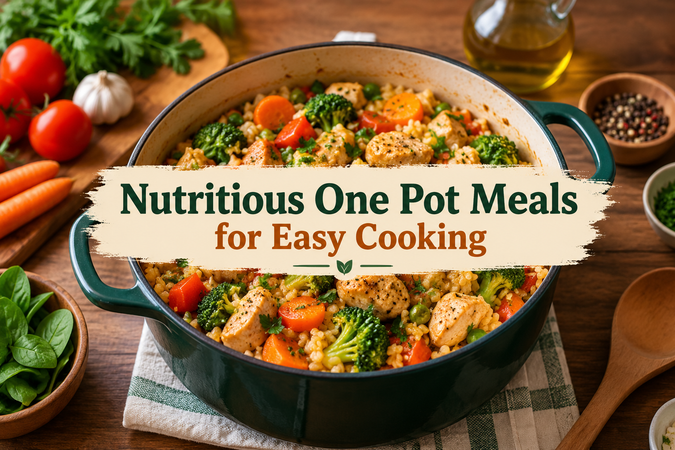
Cooking healthy food at home does not need to be complicated or time consuming. Some of the most satisfying meals can be prepared in a single pot using simple ingredients that are easy to find. Nutritious one pot meals are especially useful for busy families, students, working professionals, and anyone who wants homemade food without spending hours in the kitchen.
A good one pot meal combines several important food groups in one dish. Vegetables provide vitamins, minerals, fiber, and color. Whole grains or other healthy carbohydrate sources provide energy. Beans, lentils, eggs, chicken, fish, or other protein foods make the meal filling and balanced. Healthy fats and herbs can add flavor and improve the overall eating experience.
Another advantage of one pot cooking is simplicity. There are fewer dishes to wash, less preparation to manage, and fewer cooking steps to remember. With a little planning, one pot meals can become an easy part of a healthy weekly routine.
What Are Nutritious One Pot Meals?
One pot meals are dishes in which most or all ingredients are cooked together in one cooking pot, pan, or similar container. They can include soups, stews, rice dishes, lentil meals, pasta recipes, vegetable combinations, and many other types of food.
The purpose is not simply to save dishes. A well planned one pot recipe allows flavors to develop together while creating a complete and satisfying meal.
For example, a pot containing brown rice, chicken, carrots, peas, onions, tomatoes, and herbs provides carbohydrates, protein, vegetables, and a variety of nutrients in one serving.
The same idea can be used with vegetarian ingredients. Lentils, beans, vegetables, and whole grains can create a nutritious meal without requiring complicated preparation.
Why One Pot Cooking Makes Healthy Eating Easier
One of the biggest challenges of healthy eating is finding enough time to prepare meals. When cooking feels difficult, it can become tempting to rely on highly processed convenience foods.
One pot cooking reduces many of these barriers.
You can prepare several ingredients together, allow them to cook, and serve the finished dish directly from the same pot. This method is particularly helpful on busy weekdays.
It can also make meal planning easier. Instead of preparing separate vegetables, grains, and protein dishes, you can combine them into one balanced recipe.
Another benefit is that the cooking liquid often remains part of the dish. This can help preserve flavors and nutrients that might otherwise be lost when foods are boiled separately and the cooking water is discarded.
Vegetable and Lentil Soup
Vegetable and lentil soup is one of the easiest nutritious one pot meals to prepare.
Start with onions, garlic, carrots, celery, and tomatoes. Add lentils along with water or a low sodium broth. You can also include spinach, potatoes, zucchini, peas, or any other vegetables available in your kitchen.
Lentils are an excellent source of plant based protein and dietary fiber. They help make soup more filling while providing important nutrients such as iron and folate.
Vegetables add natural color and flavor. Instead of relying heavily on salt, season the soup with black pepper, cumin, parsley, coriander, or other herbs and spices.
Allow everything to simmer until the lentils and vegetables become tender.
A bowl of lentil and vegetable soup can be enjoyed by itself or served with a small portion of whole grain bread.
Chicken and Brown Rice Pot
Chicken and rice is a familiar combination that can easily become a nutritious one pot dinner.
Choose skinless chicken and brown rice for a balanced version. Brown rice contains more fiber than highly refined white rice and can help make the meal more satisfying.
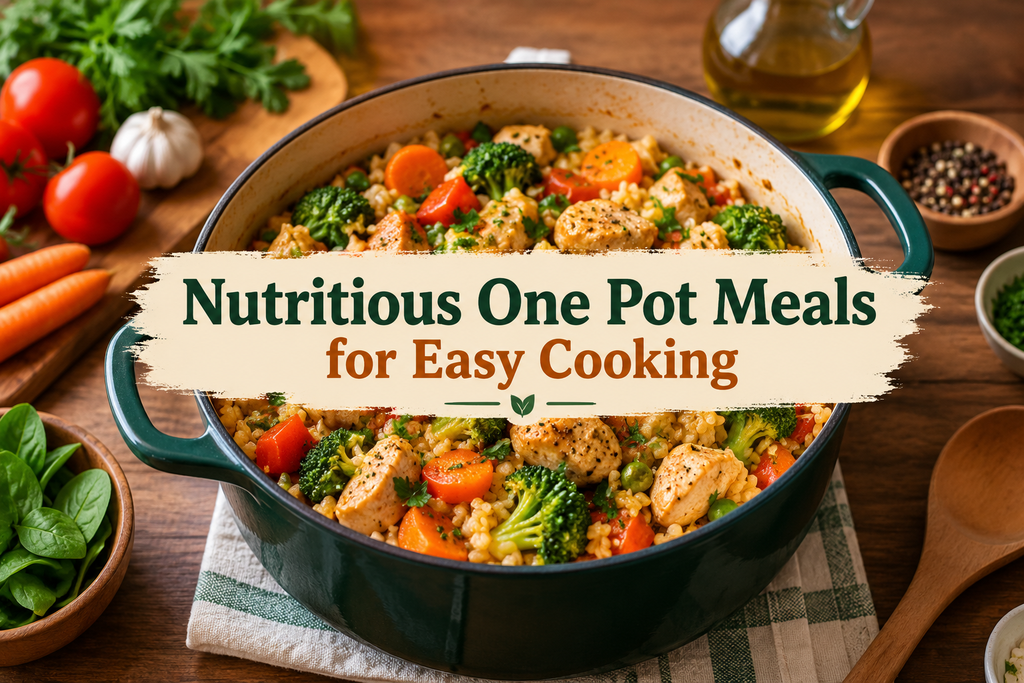
Begin by lightly cooking onions and garlic in a small amount of oil. Add chicken pieces and cook until the outside begins to change color. Then add brown rice, chopped tomatoes, carrots, peas, bell peppers, and your preferred seasoning.
Pour in enough water or broth for the rice to cook properly. Cover the pot and allow everything to cook slowly.
The vegetables absorb the flavor of the chicken and seasoning while the rice becomes tender.
This is an excellent family meal because you can change the vegetables according to what you already have at home.
Bean and Vegetable Stew
Beans are useful ingredients for healthy one pot cooking because they provide protein, fiber, minerals, and carbohydrates.
Black beans, kidney beans, white beans, chickpeas, and other varieties can all be used in stews.
Combine cooked beans with tomatoes, onions, carrots, bell peppers, corn, and leafy vegetables. Add a small amount of water or broth and season the mixture with herbs and spices.
Let the ingredients simmer together until the vegetables are soft and the flavors are well combined.
Bean stew can be prepared in a larger quantity and stored for later meals. This makes it useful for people who prefer cooking only a few times each week.
One Pot Vegetable Pasta
Pasta can also become part of a nutritious meal when it is combined with plenty of vegetables and balanced ingredients.
Whole grain pasta is a useful option because it usually contains more fiber than refined pasta.
Place pasta, chopped tomatoes, onions, spinach, mushrooms, zucchini, and bell peppers in a large cooking pot. Add water or broth gradually so the pasta cooks without becoming too watery.
Garlic, basil, oregano, and black pepper can provide plenty of flavor.
You can add beans, chicken, or another protein source if you want a more filling meal.
Cooking the pasta directly with the vegetables allows the flavors to mix naturally. It also creates a simple sauce from the tomatoes and cooking liquid.
Chickpea and Spinach Rice
Chickpeas are another useful ingredient for nutritious one pot meals.
Combine rice with cooked chickpeas, onions, tomatoes, spinach, carrots, and spices. Cook everything together until the rice becomes tender.
Chickpeas provide plant protein and fiber, while spinach adds folate, iron, vitamin K, and other nutrients.
Adding several different vegetables makes the meal more colorful and enjoyable.
You can also use brown rice if you want additional fiber. Just remember that brown rice normally requires a longer cooking time than white rice.
One Pot Quinoa and Vegetables
Quinoa can be used as an alternative to rice in many one pot recipes.
It cooks relatively quickly and provides protein, fiber, magnesium, and several other nutrients.
Combine rinsed quinoa with tomatoes, onions, carrots, peas, bell peppers, broccoli, or other vegetables. Add water or broth and allow the mixture to simmer until the quinoa absorbs the liquid.
Beans or chickpeas can be added for additional protein.
A squeeze of fresh lemon juice before serving can add brightness and flavor without requiring heavy sauces.
This meal works well for lunch or dinner and can also be prepared ahead of time.
Healthy One Pot Egg and Vegetable Rice
Eggs are affordable, versatile, and rich in protein, making them useful for quick one pot cooking.
Cook rice with vegetables such as carrots, peas, corn, onions, and bell peppers. Once the rice is nearly finished, add beaten eggs and gently stir them into the mixture until completely cooked.
Season with black pepper, herbs, or a small amount of your favorite sauce.
Using plenty of vegetables increases the nutritional value and gives the meal more texture and color.
This recipe is especially useful when you have leftover vegetables in the refrigerator that need to be used.
Add More Vegetables Whenever Possible
One of the easiest ways to improve nutritious one pot meals is to include more vegetables.
You do not need expensive or unusual ingredients. Carrots, tomatoes, peas, spinach, cabbage, onions, bell peppers, green beans, zucchini, and potatoes can all work well.
Using several colors can provide a wider variety of nutrients.
Frozen vegetables are also convenient. They can often be added directly to soups, rice dishes, and stews without much preparation.
This makes it easier to prepare healthy meals even when fresh vegetables are not available.
Choose Healthy Protein Sources
Protein helps make one pot meals satisfying and supports many important functions in the body.
Chicken, fish, eggs, lentils, beans, chickpeas, and peas are all useful choices.
You can also combine plant protein sources. For example, beans and brown rice can create a satisfying meal while providing a useful combination of nutrients.
The amount of protein needed will depend on individual dietary needs, but including a source of protein in the meal can help create better nutritional balance.
Use Whole Grains More Often
Whole grains can make one pot cooking more nutritious.
Brown rice, barley, quinoa, oats, and whole grain pasta provide fiber and other nutrients.
Fiber is important for digestive health and can help meals feel more filling.
You do not need to change every recipe immediately. If you normally use white rice, you can occasionally replace it with brown rice or combine the two while adjusting to the different texture.
Small changes can make healthy eating easier to maintain over time.
Control Salt and Heavy Sauces
Healthy food does not need to taste plain, but excessive salt and rich sauces are not necessary for good flavor.
Herbs and spices can completely change a simple one pot meal.
Try garlic, ginger, cumin, paprika, coriander, parsley, basil, oregano, black pepper, turmeric, or fresh lemon juice.
Different combinations can create completely different flavors using the same basic ingredients.
When using canned beans or vegetables, choosing lower sodium varieties when available can also help control salt intake.
Use Leftovers Wisely
One pot meals are excellent for reducing food waste.
Small amounts of vegetables left in the refrigerator can often be added to soups, stews, pasta dishes, or rice meals.
Leftover cooked chicken can be added to vegetable soup. Cooked beans can be mixed into rice. Spinach that needs to be used quickly can be added during the final minutes of cooking.
Instead of thinking of leftovers as separate foods, consider how they can become ingredients in the next meal.
This approach can reduce waste while saving both time and money.
Prepare Larger Portions for Busy Days
Another benefit of nutritious one pot meals is that many recipes are suitable for batch cooking.
You can prepare a large pot of lentil soup, bean stew, chicken and rice, or vegetable pasta and divide it into portions.
Some portions can be refrigerated for upcoming meals. Suitable dishes can also be frozen according to proper food storage practices.
Having prepared meals available can make healthy choices easier on busy days.
Instead of starting from the beginning every evening, you may only need to safely reheat a prepared portion and add a simple side salad or fruit.
Keep One Pot Cooking Simple
You do not need a long ingredient list to make nutritious food.
A basic formula can make planning easier.
Start with vegetables. Add a protein source. Choose a grain or another carbohydrate if needed. Include enough liquid for cooking. Finish with herbs and spices for flavor.
For example, onions, carrots, lentils, tomatoes, spinach, and seasoning can become a complete soup.
Chicken, brown rice, peas, carrots, tomatoes, and herbs can become a family dinner.
Beans, pasta, spinach, tomatoes, and onions can become another quick meal.
Once you understand this basic approach, you can create many recipes from ingredients already available in your kitchen.
Conclusion
Nutritious one pot meals for easy cooking are a practical way to enjoy balanced homemade food without making meal preparation unnecessarily difficult. By combining vegetables, whole grains, protein foods, and flavorful seasonings in one pot, you can prepare satisfying meals with less work and fewer dishes to clean.
Lentil soup, chicken and brown rice, bean stew, vegetable pasta, quinoa dishes, chickpea rice, and egg based meals are only a few possibilities. The ingredients can be changed according to your budget, preferences, season, and what is already available at home.
The most important idea is to keep meals varied and balanced. Use plenty of vegetables, choose nutritious protein sources, include whole grains when suitable, and use herbs and spices to create flavor.
Healthy home cooking does not have to involve complicated recipes or hours in the kitchen. With simple ingredients and thoughtful combinations, one pot cooking can provide convenient, nutritious, and enjoyable meals for everyday life.