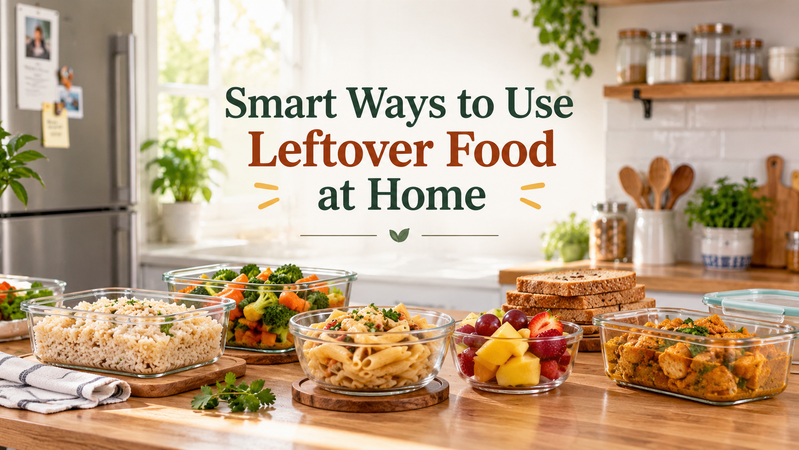
Food is one of the most valuable things we bring into our homes, yet a surprising amount of it can end up unused. A little rice from dinner, a few vegetables in the refrigerator, some bread that is no longer perfectly fresh, or cooked chicken left from the previous day may not look like much on their own. However, with a little planning and creativity, these small portions can become useful ingredients for another delicious meal.
Learning smart ways to use leftover food at home is not only about saving money. It can also make cooking easier, reduce unnecessary waste, and help us become more thoughtful about the food we buy and prepare. I have found that once you start looking at leftovers as ingredients rather than unwanted food, many new meal ideas become possible.
The key is to store food properly, understand how different leftovers can be reused, and plan meals with flexibility. You do not need advanced cooking skills. Simple ideas can make a noticeable difference in an everyday kitchen.
Understand What You Already Have
Before planning a new meal, it is useful to check the refrigerator, freezer, and kitchen shelves. We sometimes buy more food simply because we forget what is already available.
Take a few minutes to look at cooked food, vegetables, fruit, bread, dairy products, and other ingredients that may need to be used soon.
This small habit can prevent food from staying forgotten at the back of the refrigerator.
I find it helpful to think about which foods should be eaten first. Items that have already been cooked or ingredients that are becoming less fresh can be included in the next meal before opening something new.
By doing this regularly, using leftover food becomes part of normal meal planning instead of something we only think about occasionally.
Turn Leftover Rice Into a New Meal
Cooked rice is one of the easiest leftovers to transform.
If rice has been cooled and stored safely, it can be used in several simple meals. Vegetable rice is one of the most practical options.
Heat a small amount of oil in a pan and add vegetables such as carrots, peas, onions, bell peppers, or corn. Add the rice and season it according to your taste. Eggs, cooked chicken, or beans can also be included.
This gives yesterday’s rice a completely different character.
Leftover rice can also be added to soups or served with a fresh vegetable curry. Depending on the type of rice, it may even be used in homemade rice pudding.
The important point is that leftover rice does not always have to be served exactly as it was the first time.
Make Something Useful From Leftover Bread
Bread can become dry quite quickly, but slightly stale bread still has several useful kitchen applications.
One of the simplest ideas is making homemade breadcrumbs.
Allow the bread to become dry, then crush or blend it into crumbs. These crumbs can be used as a coating for baked foods or as a topping for casseroles.
Bread can also be cut into small cubes and toasted to make homemade croutons. These are excellent for soups and salads.
Another option is to prepare French toast if the bread is still suitable for eating. Because the bread absorbs the egg and milk mixture, slightly older bread often works well for this dish.
Bread can also be turned into a simple bread pudding using milk, eggs, and a small amount of sugar.
These ideas show how one basic ingredient can have many different uses.
Use Cooked Vegetables Creatively
Small portions of cooked vegetables often remain after lunch or dinner.
Instead of throwing them away, use them as ingredients in another dish.
Cooked carrots, peas, potatoes, beans, spinach, or other vegetables can be added to an omelet. They can also be mixed into pasta, rice, or soup.
Mashed vegetables can sometimes be turned into patties. Add suitable seasoning and a binding ingredient, shape the mixture into small portions, and cook them in a pan.
Another simple approach is to combine several leftover vegetables into a quick stir fry.
When different vegetables are mixed with fresh herbs and seasoning, the result can taste completely different from the original meal.
Make Soup From Small Portions
Soup is one of the best ways to use several small leftovers at once.
You may have half an onion, one carrot, a little cooked chicken, some beans, or a small amount of pasta. None of these ingredients may be enough for a complete meal individually, but together they can create a filling soup.
Start with water or broth and add vegetables that need to be used. Then include cooked beans, lentils, chicken, rice, or pasta depending on what is available.
Season the soup with herbs and spices.
Soup is especially useful because it does not always require exact ingredient quantities. This gives you the freedom to work with what you already have.
Give Leftover Chicken a Second Life
Cooked chicken is extremely versatile when handled and stored properly.
Instead of reheating the same chicken meal again, remove the meat from the bones if needed and use it in something different.
Shredded chicken works well in sandwiches and wraps. Add lettuce, cucumber, tomato, yogurt dressing, or another simple sauce.
Chicken can also be added to pasta, soup, rice, or homemade pizza.
Another easy option is a chicken salad made with fresh vegetables.
Turning leftover chicken into a new recipe makes meals feel less repetitive while helping you make better use of food already prepared.
Use Leftover Meat in Small Portions
Sometimes there is not enough leftover meat for everyone to eat another full serving. This does not mean it is useless.
Small amounts of cooked meat can be sliced or chopped and combined with vegetables.
For example, leftover meat can be added to a stir fry, rice bowl, sandwich, wrap, pasta dish, or homemade flatbread topping.
When meat is mixed with vegetables, grains, or beans, a small amount can contribute flavor to a much larger meal.
This can also be a useful way to stretch more expensive ingredients.
Transform Leftover Pasta
Cooked pasta is another common leftover that is easy to reuse.
If the pasta has already been mixed with sauce, you can add fresh vegetables or another small amount of sauce when reheating it.
Plain cooked pasta gives you even more options.
Mix it with vegetables, herbs, olive oil, and a little cheese for a quick meal. Cold pasta can also become the base for a simple pasta salad.
Add cucumber, tomatoes, sweet corn, beans, or other available vegetables. A light dressing can bring everything together.
You can also place cooked pasta in a baking dish, add sauce and toppings, and heat it as a simple pasta bake.
Use Ripe Fruit Before It Goes to Waste
Fruit should not have to look perfect to be useful.
Bananas that have become very ripe are excellent for smoothies. They can also be mashed into pancake batter or used in homemade baked recipes.
Soft berries can be blended with yogurt or milk.
Apples and pears that are losing their crisp texture can sometimes be cooked gently with cinnamon and used as a warm topping for oatmeal or yogurt.
Fruit can also be chopped and frozen before it becomes too ripe. Frozen fruit is useful for smoothies and cold drinks.
Learning to use fruit at different stages of ripeness is an easy way to reduce kitchen waste.
Freeze Food You Cannot Use Soon
The freezer is one of the most helpful tools for managing leftovers.
If you know that cooked food will not be eaten soon, freezing may be better than allowing it to sit in the refrigerator until it is forgotten.
Soups, cooked beans, sauces, bread, and many prepared foods can often be frozen successfully when handled correctly.
Use suitable freezer containers and label them with the name of the food and the date.
This simple step is important because frozen leftovers can become difficult to identify later.
Keeping portions relatively small can also help because you can defrost only what you need.
Always follow appropriate food safety guidance for cooling, freezing, thawing, and reheating foods.
Create a Leftover Meal Day
One useful household habit is choosing a regular day to use food that is already prepared.
For example, before planning a new dinner, look through the refrigerator and create a meal from what needs to be eaten first.
You might have a small bowl of rice, roasted vegetables, some cooked chicken, and a little salad.
Instead of preparing another completely new dish, combine these foods into simple individual plates or bowls.
This makes meal planning easier and can save cooking time.
It can also turn leftover food into something the family expects rather than something that feels unwanted.
Store Leftovers Properly
Creative cooking is useful, but safe food handling is even more important.
Cooked food should not be left sitting at room temperature for unnecessarily long periods. Perishable leftovers should be refrigerated promptly in suitable containers.
Keeping food in clean, covered containers also protects its quality.
Try to organize the refrigerator so older foods remain visible. Putting newly prepared food behind food that needs to be used first is a simple method that can help.
Labeling containers can be helpful when several leftovers look similar.
If food smells unusual, shows signs of spoilage, or you are uncertain whether it has been stored safely, it is better to follow food safety guidance rather than taking a risk.
Plan Portions More Carefully
Using leftovers is useful, but preventing unnecessary leftovers is even better.
Pay attention to how much your household normally eats.
If a certain dish regularly produces too much extra food, consider cooking a slightly smaller quantity next time.
Measuring ingredients such as rice, pasta, and grains can make portion planning easier.
This does not mean every meal needs to be measured perfectly. The goal is simply to understand your family’s normal food needs.
Over time, better portion planning can reduce both food waste and grocery expenses.
Keep a Flexible Meal Plan
A meal plan does not have to be strict.
In fact, leaving some flexibility can make leftover food easier to use.
Suppose you originally planned to cook a fresh pasta meal on Wednesday, but Tuesday’s dinner produced enough food for another meal. You can move the pasta meal to another day and use the leftovers first.
This prevents the refrigerator from becoming crowded with several unfinished dishes.
A flexible plan works particularly well when combined with a quick refrigerator check before shopping.
Turn Leftovers Into Lunch
Leftovers can make lunch preparation much easier.
Instead of buying or cooking a completely separate lunch every day, prepare slightly more dinner when the meal is suitable for reheating.
The extra portion can be packed for the following day’s lunch.
Rice dishes, pasta, soups, curries, cooked vegetables, and many grain based meals can work well for this purpose when stored and reheated safely.
This habit can save time during busy mornings and can also make weekly food planning more economical.
Keep Leftover Ingredients Visible
One reason food gets wasted is that we forget about it.
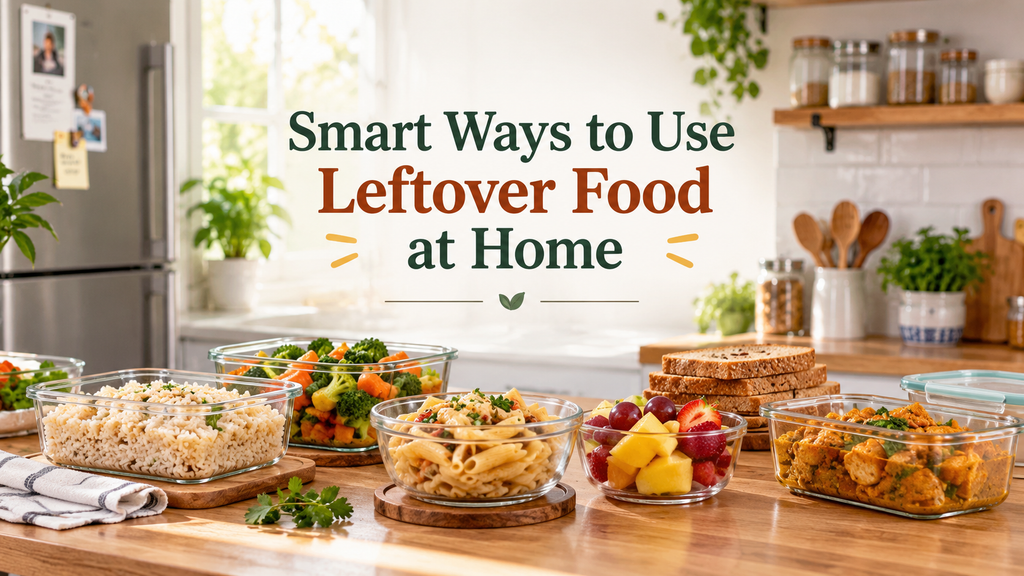
Transparent containers can help because you can immediately see what is inside.
You can also keep a small area of the refrigerator specifically for foods that should be eaten soon.
Whenever you open the refrigerator, these foods remain visible.
Another simple method is writing a short note listing important leftovers. Place it somewhere noticeable in the kitchen.
Sometimes better organization is all that is needed to reduce waste.
Be Creative Without Making Cooking Complicated
Using leftover food does not require complicated recipes.
In many cases, the simplest combinations work best.
Rice plus vegetables can become a quick rice bowl.
Bread plus eggs can become French toast.
Fruit plus yogurt can become breakfast.
Cooked vegetables plus eggs can become an omelet.
Chicken plus salad ingredients can become a wrap.
Beans plus vegetables can become soup.
The goal is not to create an impressive new recipe every time. It is to recognize that many leftover ingredients still have useful possibilities.
Final Thoughts
Finding smart ways to use leftover food at home can change the way we think about everyday cooking. Leftovers are not always the end of a meal. Very often, they are the beginning of the next one.
Cooked rice can become a vegetable dish. Old bread can become breadcrumbs or croutons. Small portions of vegetables can go into soups and omelets. Leftover chicken can become sandwiches, wraps, salads, or pasta. Ripe fruit can be blended into smoothies or frozen for later.
The most effective approach combines creativity with good planning. Check what you already have before shopping, store food carefully, use older items first, freeze suitable foods when necessary, and keep your meal plan flexible.
These habits do not require major changes in the kitchen. They are small decisions that become easier with practice.
When we learn to value every ingredient, we can prepare meals more efficiently, save money, reduce unnecessary food waste, and make home cooking more practical. The best leftover meal is often created not by following a complicated recipe, but simply by looking at what is already in the kitchen and asking how it can be useful again.